• FinleyFinley
  • November 11, 2026
  • 0 Comments
What to Do When Severe Tooth Pain Strikes Outside Normal Surgery Hours

Understanding the Urgency of Dental Pain

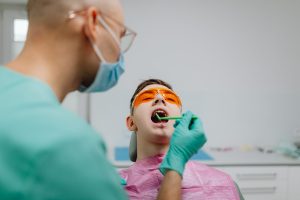
Few experiences are quite as distressing as severe tooth pain that arrives with the most inconvenient timing imaginable. Whether it’s a Saturday evening, a bank holiday, or the middle of the night, dental emergencies have an uncanny knack for occurring when conventional surgeries have closed their doors. The throbbing, relentless nature of toothache can transform even the most stoic individual into someone desperately seeking relief, and knowing how to respond appropriately can make all the difference between prolonged suffering and timely treatment from an emergency dentist Thames Ditton.

Dental pain rarely announces its arrival with advance warning. One moment, everything seems perfectly normal; the next, a sharp, stabbing sensation or dull, persistent ache takes hold. Understanding that dental pain often indicates an underlying problem requiring professional attention is the first step towards managing the situation effectively. The symptoms and causes of toothache can vary considerably, from infection and decay to trauma or gum disease, each requiring different approaches to treatment.

Immediate Steps to Take When Pain Strikes

When severe tooth pain arrives outside normal surgery hours, the initial response should focus on managing discomfort whilst assessing the severity of the situation. Taking over-the-counter pain relief medication, such as paracetamol or ibuprofen, according to packet instructions can provide temporary respite. It’s crucial to follow dosage guidelines carefully and never exceed recommended amounts, even when pain feels unbearable.

Rinsing the mouth with warm salt water can help reduce inflammation and cleanse the affected area. This simple remedy has been used for generations and remains remarkably effective at providing temporary relief. Additionally, applying a cold compress to the outside of the cheek near the painful area can help numb the sensation and reduce swelling. These measures won’t solve the underlying problem, but they can make the wait for professional care more bearable.

Determining Whether Immediate Emergency Care Is Required

Not all dental pain constitutes a genuine emergency requiring immediate out-of-hours attention. However, certain symptoms warrant urgent professional intervention. Severe swelling affecting the face or neck, difficulty breathing or swallowing, uncontrolled bleeding, or trauma resulting in knocked-out teeth all require immediate emergency care. In such cases, seeking help from an emergency dentist residents can access may prove invaluable for those in the area.

For less critical situations where pain is manageable with over-the-counter medication and no alarming symptoms present themselves, waiting until the next available appointment during normal surgery hours may be appropriate. Nevertheless, it’s important to monitor the situation closely for any deterioration that might necessitate more urgent intervention.

Accessing Out-of-Hours Dental Services

The NHS provides various pathways for accessing dental care outside normal surgery hours. Understanding these options before an emergency arises can save valuable time and reduce stress when pain strikes. The NHS 111 service offers guidance and can direct patients to appropriate emergency dental services in their area. This free telephone service operates around the clock and can provide advice on whether immediate attention is necessary or if the situation can wait.

Many regions have dedicated NHS emergency dental clinics that operate during evenings, weekends, and bank holidays. These facilities are specifically designed to handle urgent dental problems when regular surgeries are closed. Patients can find information about accessing emergency NHS dental services through official channels, ensuring they receive appropriate care when needed most.

Self-Care Measures to Avoid

Whilst waiting for professional treatment, certain actions should be avoided despite their apparent appeal. Applying aspirin directly to the tooth or gums can cause chemical burns to soft tissue. Similarly, using clove oil excessively or applying heat to the affected area may worsen inflammation. Understanding proper dental self-care techniques helps prevent inadvertently causing additional harm whilst attempting to manage pain.

Prevention and Preparedness for Future Emergencies

Once the immediate crisis has passed, taking steps to prevent future dental emergencies becomes paramount. Maintaining regular dental check-ups allows potential problems to be identified and addressed before they escalate into painful emergencies. Keeping a well-stocked first aid kit that includes appropriate pain relief medication, salt for rinses, and emergency contact numbers ensures preparedness should another incident occur.

Taking Control When Pain Strikes

Severe tooth pain outside normal surgery hours presents a challenging situation, but understanding the appropriate steps to take can significantly reduce distress and ensure proper care. By assessing the severity of symptoms, implementing appropriate temporary relief measures, and knowing how to access emergency dental services, individuals can navigate these uncomfortable situations with greater confidence. Whilst prevention through regular dental care remains the ideal approach, being prepared for emergencies ensures that help is accessible when needed most urgently.

  • FinleyFinley
  • October 1, 2026
  • 0 Comments
Understanding the Critical Link Between Jaw Alignment and Chronic Headaches

The Hidden Connection Between Your Bite and Your Brain

Millions of people experience chronic headaches without realising that their jaw may be contributing to their discomfort. The temporomandibular joint (TMJ), which connects the jaw to the skull, plays an essential role in chewing and speaking. When the joint becomes strained or misaligned, it can place pressure on surrounding muscles and tissues, potentially contributing to headaches and facial discomfort.

A dentist Balwyn can assess jaw-related concerns and help patients understand whether issues with the TMJ may be contributing to persistent symptoms. Recognising this connection can be an important step towards finding appropriate treatment and improving comfort.

How Jaw Misalignment Triggers Head Pain

The mechanism behind jaw-related headaches involves a complex interplay of muscular tension, nerve irritation, and structural imbalance. When the jaw is misaligned, the muscles responsible for chewing and jaw movement must work harder to compensate for the improper positioning. This constant strain leads to muscle fatigue and tension that radiates upward into the temples, forehead, and back of the head.

According to information on temporomandibular disorders from health authorities, symptoms can include pain in the jaw joint, difficulty chewing, and headaches that range from mild to severe. The trigeminal nerve, which is the largest cranial nerve and responsible for sensation in the face, becomes irritated when jaw alignment issues persist. This irritation can result in referred pain patterns that mimic tension headaches or even migraines.

Common Signs Your Headaches May Be Jaw-Related

Identifying whether chronic headaches stem from jaw alignment issues requires attention to specific symptoms and patterns. Many individuals overlook the connection because the pain presents primarily in the head rather than the jaw itself. However, several telltale signs can indicate a temporomandibular origin for persistent headaches.

Physical Indicators to Watch For

  • Headaches that worsen during or after meals
  • Clicking or popping sounds when opening or closing the mouth
  • Difficulty opening the mouth fully
  • Facial pain or tenderness around the jaw area
  • Ear pain or pressure without signs of infection
  • Neck and shoulder tension accompanying headaches

Those experiencing these symptoms alongside chronic headaches may benefit from consulting a dentist Balwyn residents trust for comprehensive jaw assessments.

Temporal Patterns and Behavioural Connections

The timing and triggers of jaw-related headaches often follow predictable patterns that distinguish them from other headache types. Morning headaches may indicate nocturnal teeth grinding or clenching, whilst headaches that develop throughout the day might suggest postural issues or stress-related jaw tension. Many people unconsciously clench their jaw during periods of concentration or anxiety, exacerbating alignment problems and triggering pain cycles.

The Role of Dental Professionals in Diagnosis

Dental practitioners play a vital role in identifying and addressing jaw alignment issues that contribute to chronic headaches. Through comprehensive examinations, including assessment of bite patterns, jaw movement, and muscle palpation, dental professionals can determine whether temporomandibular dysfunction is contributing to head pain. Advanced imaging techniques may reveal structural abnormalities or degenerative changes within the joint itself.

Research documented in scientific studies on temporomandibular disorders and headaches has demonstrated significant correlations between jaw dysfunction and various headache presentations. This growing body of evidence supports the importance of considering dental factors when evaluating chronic headache sufferers who haven’t found relief through traditional neurological approaches.

Treatment Approaches for Jaw-Related Headaches

Addressing jaw alignment issues typically involves a multifaceted approach tailored to individual circumstances. Oral appliances, such as specially designed splints or guards, can help reposition the jaw and reduce muscular strain during sleep. These devices prevent harmful clenching and grinding whilst promoting proper jaw alignment throughout the night.

Physical therapy exercises targeting the jaw muscles and surrounding tissues can improve flexibility and reduce tension. Additionally, research on conservative management strategies for temporomandibular disorders highlights the value of behavioural modifications, stress management techniques, and dietary adjustments in managing symptoms. Avoiding hard or chewy foods during flare-ups can give the joint time to recover and reduce inflammation.

Taking the Next Step Towards Relief

For those suffering from chronic headaches that haven’t responded to conventional treatments, exploring the potential connection to jaw alignment may open new pathways to relief. The relationship between dental health and overall wellbeing extends far beyond cavity prevention, encompassing complex interactions between structural alignment, muscular function, and neurological responses.

By recognising the signs of jaw-related headaches and seeking appropriate dental evaluation, individuals can address the root cause of their discomfort rather than merely managing symptoms. A thorough assessment from qualified dental professionals can determine whether jaw alignment issues are contributing to chronic head pain and guide appropriate treatment strategies for lasting relief.